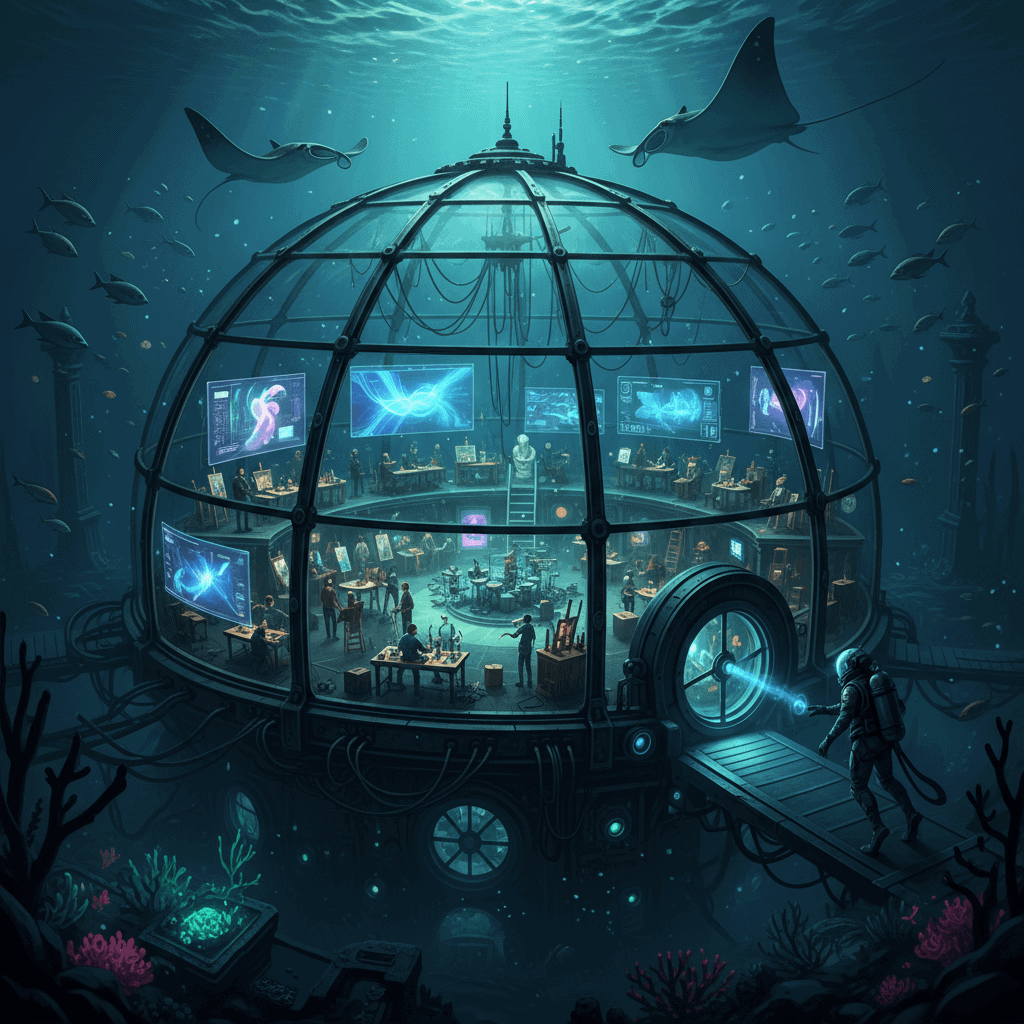
Dive Into the World Where The Studio Never Closes
A studio open around the clock holds a unique energy. The light shifts, habits change, and tiny details pop up that often get missed during normal hours. For anyone creating pictures, sounds, objects, or code, a studio that never shuts turns into more than just a place. It acts like a sidekick in the creative journey and a safe space for projects that demand patience and plenty of time. People who need to experiment without rushing benefit most from this kind of space. Keep reading to discover why such a setting can spark creativity like no other.
In this piece I will explain what it means to enter the world where the studio never closes. You will find practical tips for managing time and energy, realistic examples from real makers, and actionable advice on how to join or start a space that supports nonstop production. Expect clear steps, simple scheduling templates, and community rules that keep activity productive and sustainable.
What the Phrase Dive Into the World Where The Studio Never Closes Means in Practice
When people say the studio never closes they usually mean three things at once. First, the physical doors remain open on a flexible schedule. Second, the culture of the place allows work at any hour without pressure to conform. Third, systems are in place so equipment and materials are accessible and secure. Together these factors create an environment that supports extended projects, late night problem solving, and sudden bursts of inspiration.
Practically speaking this model supports several types of activities. Long exposure photography, wet processes that need time to set, large build projects that require multiple days, and collaborative tech rehearsals often benefit from extended access. The tradeoffs include shift coordination, consumable management, and occasional noise control. Below are concrete ways people handle these tradeoffs while keeping creative momentum.
How Around the Clock Access Changes Daily Routines and Productivity
Working in a space that never closes changes habits. Instead of compressing intense work into short hours, creators can spread tasks across multiple sessions. That often reduces friction when a project hits a technical snag late in the evening. On the other hand, it can blur boundaries between active work and rest if no clear rules exist.
- Time blocking helps. Reserve specific hours for focused making, such as two evening shifts per week for finishing tasks and one daytime block for meetings and errands.
- Priority lists matter more than hours. Keep a single sheet visible that lists top three goals for each visit to avoid wandering attention.
- Micro deadlines reduce anxiety. Break large tasks into substeps with short completion windows to maintain forward motion.
Tools and Systems That Keep a 24/7 Studio Functional
Reliable infrastructure is the backbone of an always-open space. Thoughtful organization reduces downtime and keeps the equipment in good order.
- Locking storage with clear labeling protects tools and materials and speeds retrieval.
- Simple maintenance logs for shared machines identify issues before they become project blockers.
- Basic safety signage and quick reference guides for high risk tools shorten learning curves for new users.
Low tech items often have outsize impact. A whiteboard with current projects, consumable check-in sheets, and a small repair kit cut the number of interruptions. For scheduling, a shared online calendar and a physical calendar in the studio give members a dual reference so there is less conflict over machine time.
Managing Workflows and Energy for Nonstop Production
Extended access requires a plan for human energy. Creative work tends to be cyclical. Respecting those cycles prevents burnout and keeps quality high.
Scheduling Strategies for Longevity
- Rotate high intensity tasks with lower energy activities. After a three hour sculpting block, schedule a one hour review or planning session.
- Use shift pairing. Team up less experienced users with a veteran during odd hours to spread knowledge while keeping safety steady.
- Set core hours where most interaction happens and peripheral hours for solitary production. Core hours might be 10am to 6pm, leaving late night for individual runs.
Simple Techniques to Protect Energy
- Short naps under 30 minutes can restore focus between long sessions.
- Hydration stations and accessible snacks minimize disruption from basic needs.
- Clear rules about noise and lighting during late hours keep the neighborhood and neighbors considerate.
Community Norms and Collaboration in an Always-On Space
When people share a studio at any hour the social contract needs to be explicit. Vague expectations lead to friction. A few thoughtful rules can prevent most issues.
- Maintain a simple etiquette list posted by the entrance covering cleaning, tool return, and guest policy.
- Schedule regular check-ins so members can raise concerns and propose updates to rules as activity patterns shift.
- Encourage documentation. A short note about what was done on a piece of equipment and what’s expected next avoids surprises.
Conflict Resolution That Keeps Projects Moving
Conflicts over space and equipment are inevitable. Resolve them with short mediation steps. First, encourage direct, calm conversation. Second, if that does not resolve the issue, offer a mediated meeting with neutral members. Third, if a pattern of misuse continues, use an agreed disciplinary path that might include temporary suspension of access. The goal is to be fair and consistent so makers can return quickly to their work.
How Shared Projects Benefit from Nonstop Access
When groups work on a shared installation or a performance, having the ability to continue work overnight allows teams to make iterative tests and adjustments without waiting a full day. It also supports international collaborations when time zones differ. Use light trackers for task ownership and a brief daily log to keep contributors aligned.
Practical Examples of Users Who Thrive in an Always-On Studio
Across photography, sound, fabrication, and software, people thrive with extended access for different reasons. A portrait photographer might work late to take advantage of unique night lighting and avoid daytime crowds. A sound designer may need long passes to mix layers and test listening on different systems. A maker building a large set benefits from consecutive hours that allow large assemblies without repeated teardown.
Case study 1: A small collective of sculptors organized weekend continuous build sessions to push a single piece from start to finish over 48 hours. They used shifts, clear food rules, and a sign-out log for power tools. The outcome was a coherent work that benefited from momentum.
Case study 2: A musician running late night mixing sessions scheduled quiet hours and partnered with a neighbour studio for monitoring checks. This reduced tension and improved the final master.
How to Join or Launch a Studio That Never Closes
Joining an existing always-open studio is often easier than starting one. Check local maker forums and community groups for spaces that advertise round the clock access. Ask specific questions on maintenance, security, insurance, and emergency contacts before signing on.
If you plan to start a space, begin small. Test extended hours with a core group of five to eight people. Set one month trials and collect feedback. When you have a stable rhythm, scale membership slowly and formalize rules.
To see an example of how one studio organizes access, membership tiers, and emergency procedures in a transparent way, continue reading for a full outline that includes sample policies and a starter checklist.
Financial Models and Risk Management for Always-On Spaces
Keeping a studio open around the clock requires steady income and risk controls. Simple membership tiers work well. Offer a lower priced night-only membership for people who primarily work after hours and a higher priced full access membership for those who need daytime amenities.
- Reserve a maintenance fund equal to three months of utility and repair costs to handle unexpected breakdowns.
- Require proof of insurance for high risk activities or offer group insurance at a small surcharge.
- Keep security simple. Basic alarm systems, labeled access cards, and a shared emergency contact list reduce exposure to theft and liability.
Managing equipment wear is another practical point. Track hours on heavy use machines and schedule preventive maintenance after fixed intervals. That reduces the probability of mid-project failures that could be costly in terms of time and money.
Bringing a proposal to a landlord or a community foundation is more persuasive if you present concrete numbers. Prepare a one page budget that lists projected memberships, expected monthly costs, and a break even point. This makes it easy for stakeholders to evaluate the plan.
As you consider whether a studio that never closes is right for you, focus on sustainability. The best always-open spaces keep energy predictable, preserve community trust, and protect resources so members can focus on making. If you are curious about examples and want templates for rules, schedules, and maintenance logs, the linked resource above offers useful starting points.
Conclusion
Working in a space that remains open around the clock offers real advantages for makers who need uninterrupted time, flexible schedules, and community support. It does require forethought about safety, scheduling, and social rules. The most successful always-open studios balance freedom with responsibility. They use simple systems to schedule equipment, encourage short check-ins among members, and maintain straightforward maintenance routines so that equipment is reliable. Whether you are a photographer, a sound designer, a sculptor, or a software developer, the model can fit many kinds of projects when it is implemented with care. If you are ready to join or create such a space start by mapping the people involved, the equipment needs, and a short pilot schedule. Test a month of extended hours with a small group, collect feedback at the end of each week, and adjust policies as you learn what keeps the studio productive and friendly. If you want templates for membership tiers, emergency procedures, and a sample maintenance log, use the resources mentioned earlier and adapt them to your local conditions. An always-open studio can become a steady part of a creative life when it has clear rules, predictable systems, and a community that looks out for one another. Take a first step today by assembling a small group, posting a simple schedule, and agreeing on two basic rules that everyone follows. This will provide structure without adding complexity and help the space function well from the start.