Choose the Best Monitoring Devices for Seniors
Senior monitoring device selection plays a major role in daily safety and comfort for older adults. Families often want a reliable way to stay informed without creating stress or limiting independence. A well chosen device can support health tracking, fall alerts, location updates, and communication during urgent moments. The right choice depends on lifestyle, medical needs, mobility, and ease of use.
Many products on the market claim to provide dependable care support. Some focus on emergency response while others include advanced health tracking and movement reports. Before making a purchase, it is important to compare features carefully and think about long term use. Taking time to review device quality, battery life, and user comfort can prevent frustration later.
Understanding Daily Needs Before Buying
Every senior has different routines and health concerns. Some older adults remain highly active and spend time outside the home while others may require regular supervision due to medical conditions. Choosing a device without reviewing daily habits can lead to poor results.
For active seniors, GPS tracking and mobile communication may provide strong value. These features allow caregivers to receive updates while giving the user freedom to move independently. Seniors who stay home more often may benefit from devices with large buttons, voice support, and emergency assistance options.
Medical history also matters during the selection process. Seniors with balance concerns may require fall detection while those with heart conditions may benefit from health monitoring features. Matching the device to real needs often leads to better long term satisfaction.
Why Ease Of Use Matters
Complicated systems can create confusion and reduce regular use. Seniors are more likely to wear and trust a device that feels simple and comfortable. Clear screens, easy charging methods, and direct controls should remain a top priority.
Some products include touch screens with large text while others rely on one button emergency access. Voice instructions can help seniors who struggle with vision or memory challenges. Devices that require too many steps during an emergency may create delays during important moments.
Comfort also affects daily use. Heavy devices may feel annoying during long periods while poorly fitted wristbands can irritate the skin. Lightweight products with adjustable designs often work best for all day wear.
Battery Life Considerations
Battery performance is often overlooked during shopping. A device with weak battery life can become unreliable if frequent charging is required. Seniors may forget charging schedules which increases risk during emergencies.
Products with several days of battery support usually reduce stress for caregivers and users. Fast charging features can also improve convenience. Reviewing charging methods before purchase is helpful since magnetic docks and simple plug systems are often easier for seniors than tiny charging ports.
Simple Setup Can Reduce Frustration
Families should review setup steps before buying a monitoring system. Some products require mobile apps, account registration, and wireless pairing that may confuse older users. Straightforward setup often saves time and creates a better first impression.
Many caregivers appreciate devices that work immediately after activation. Clear instructions and responsive customer service can also improve the ownership experience.
Important Safety Features To Review
Safety remains one of the main reasons families purchase monitoring devices. Emergency response features can provide reassurance during accidents, falls, or health concerns. Some features are considered basic while others offer more advanced support.
- Fall detection alerts
- Two way communication
- GPS location tracking
- Emergency call buttons
- Medication reminders
- Heart rate monitoring
- Movement tracking
Automatic fall detection is especially helpful because seniors may become unconscious or unable to press a help button. GPS tracking may help families locate users during confusion or wandering incidents. Two way communication creates faster contact during emergencies.
Families interested in learning more details about modern monitoring systems can explore this topic to review practical guidance and important buying factors.
Comparing Wearable And Home Based Devices
Senior monitoring products usually fall into two main categories. Wearable devices travel with the user while home based systems remain inside the residence. Each option offers different advantages depending on personal needs.
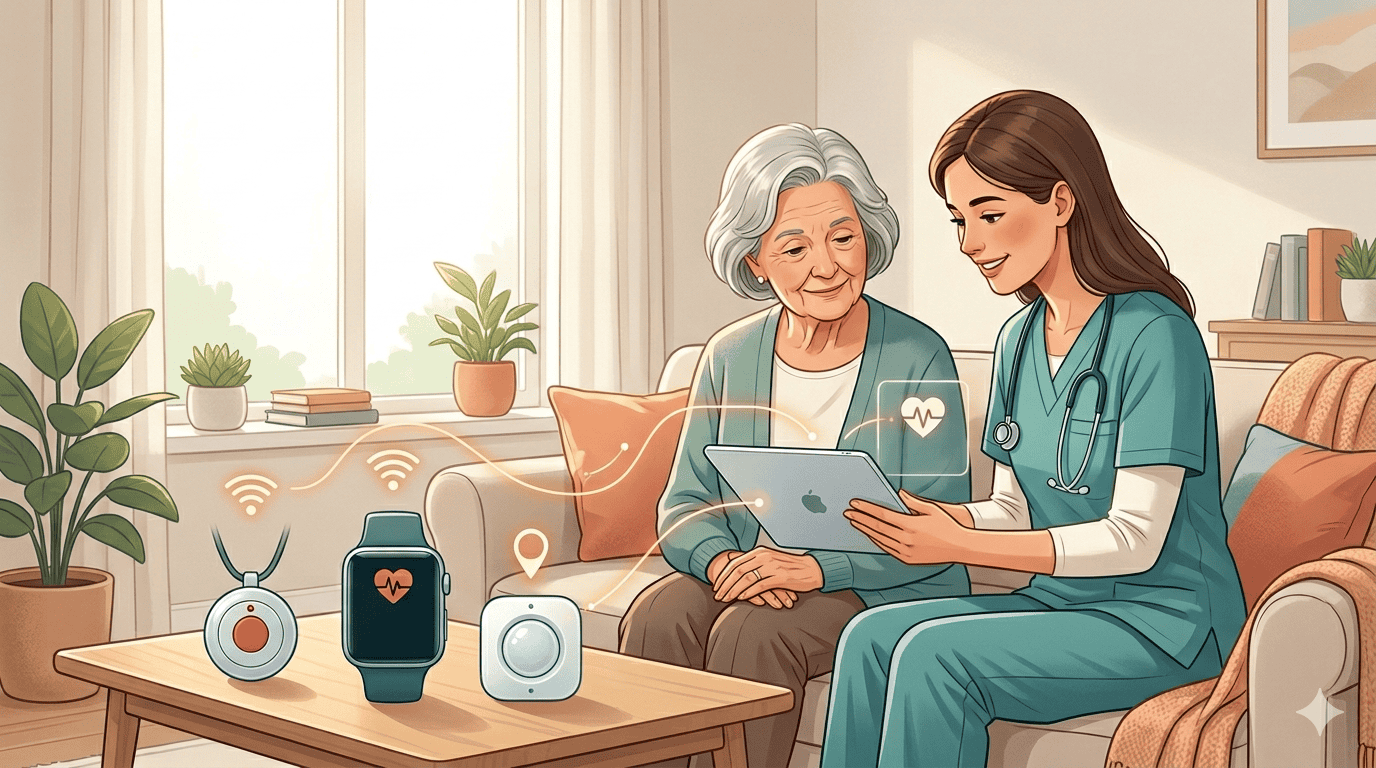
Wearable products include watches, pendants, and clip on trackers. These allow mobility and often include GPS support. Seniors who walk outdoors or travel regularly may benefit from wearable systems because they continue working away from home.
Home based systems often use sensors and cameras to monitor movement patterns inside the residence. These products may include bed sensors, door alerts, and motion tracking systems. They work well for seniors who spend most of their time indoors.
Privacy Concerns With Monitoring Systems
Privacy should remain part of the discussion before installation. Some seniors may feel uncomfortable with cameras or constant tracking. Open conversations can help create trust and prevent resistance.
Families should explain how the device works and what information is collected. Respectful communication helps older adults feel included in the decision process rather than controlled by technology.
Monthly Fees And Long Term Costs
Some senior monitoring systems require monthly subscriptions for emergency support, GPS tracking, or cloud storage. Others work without ongoing fees after purchase. Buyers should compare total ownership costs rather than focusing only on the starting price.
Subscription plans may include live support agents available twenty four hours each day. This service can provide reassurance during emergencies. However, recurring costs may become expensive over several years.
Warranty coverage also deserves attention. Devices used daily may experience wear over time. Good warranty support may reduce replacement expenses and improve confidence in the purchase.
Internet And Signal Reliability
Connection quality affects device performance. Some systems rely on mobile networks while others use home internet service. Weak signal strength can interrupt alerts or delay communication during emergencies.
Families should test mobile coverage in areas where the senior spends time regularly. Rural areas may require devices with stronger cellular support. Home based systems should also be checked for wireless stability.
Offline backup features can provide extra reassurance. Certain products continue storing data or sending delayed alerts after connection returns. This support may reduce problems during outages.
How Caregivers Benefit From Monitoring Devices
Senior monitoring systems can support both older adults and family members. Caregivers often balance work, parenting, and daily responsibilities while worrying about loved ones. Receiving health updates and emergency notifications may reduce stress.
Many devices include mobile applications that provide movement reports, battery status, and location updates. This information allows caregivers to notice unusual patterns that may signal health concerns.
Communication features also improve coordination among family members. Shared alerts and emergency contact systems help everyone stay informed during urgent situations.
Choosing A Device That Supports Independence
Many seniors fear losing independence as they age. Monitoring technology should support confidence rather than create embarrassment. Devices designed with modern styles and discreet appearances often encourage regular use.
Some wearable products resemble regular watches or fitness bands rather than medical equipment. This design choice helps seniors feel more comfortable in public settings. Encouraging independence while supporting safety creates a healthier balance for families.
Older adults should participate in the buying decision whenever possible. Allowing them to compare styles and features often increases acceptance and satisfaction.
Final Thoughts On Senior Monitoring Device Selection
Senior monitoring device selection involves more than comparing prices or reviewing advertisements. Families should focus on comfort, reliability, safety support, and daily practicality. A device that works well for one person may fail to meet another person’s needs. Reviewing mobility levels, medical concerns, and technology comfort can lead to better decisions.
Strong battery performance, clear communication features, dependable emergency response, and simple controls often create the best experience for seniors and caregivers alike. Privacy concerns and monthly service fees should also be reviewed carefully before making a final purchase. Reliable monitoring systems can support independence while helping families stay informed and connected.
Choosing the right monitoring device requires patience and careful evaluation. Taking time to compare features and understand real world use can help families avoid unnecessary stress later. A thoughtful purchase may provide greater confidence, stronger daily support, and improved safety for older adults who wish to maintain active and comfortable lives.